 WebMail
  LiveChat
  Support
What are the Differences Between Drug Addiction and Alcoholism?
Despite heavy marketing efforts, some physicians remained hesitant to prescribe opioids to treat chronic pain and fearful of their addiction risk. Some unscrupulous physicians viewed the increased demand for prescription opioids as an entrepreneurial opportunity, which resulted in high-volume-prescribing pain clinics (some of which functioned as “pill mills”) across the United States. At pill mills, physicians wrote prescriptions for OxyContin and other opioids, often with little diagnosis or follow-up. Several investigative books and docuseries describe how patients would line up, pay cash, and leave with prescriptions for high-dosage opioids and other drugs, which they sometimes used themselves but often sold or diverted to family and friends (Quinones, 2015; Temple, 2016; Willoughby Nason and Furst, 2020). This egregious prescribing could not have happened without the willful help of pharmaceutical distributors. In the space of just 2 years, for example, the giant pharmaceutical distributor McKesson Corporation shipped nearly 9 million opioid pills to a single pharmacy in tiny Kermit, West Virginia (population 400) (Kristof and WuDunn, 2020).
Reducing the burden from harmful use of alcohol
Naltrexone (Vivitrol) is a first-choice option for moderate to severe AUD, according to the American Psychiatric Association (APA). It may help people who want to stop drinking alcohol completely (abstinence) or who just want to drink less (moderation). “New data is beginning to show that secondhand marijuana smoke may be just as dangerous as the primary smoke,” Robert Page II, a professor of clinical pharmacy and physical medicine at the University of Colorado Skaggs School of Pharmacy and Pharmaceutical Sciences alcohol vs drugs in Aurora, told CNN in a prior interview. Daily marijuana use raises the risk of stroke by 42% and heart attack by 25%, even if there is no prior history of heart disease and the person has never smoked or vaped tobacco, according to a February 2024 study. Hangovers and an increasing sense of anxiety on the mornings after affected her work performance and her ability to exercise, an enjoyable part of her life. Get professional help from an online addiction and mental health counselor from BetterHelp.
FDA warns consumers not to purchase or use certain eye drops from several major brands due to risk of eye infection
Community-based organizations and state-funded treatment programs usually involve a combination of behavioral therapy, group therapy, and medication. For example, frequent cannabis use in adolescents can increase the risk of psychosis in adulthood in individuals who carry a particular gene variant. The exact mental or cognitive effects of SUD may vary depending on the type of drug and the duration of use.
Alcohol Is Most Harmful Drug, Followed By Heroin And Crack
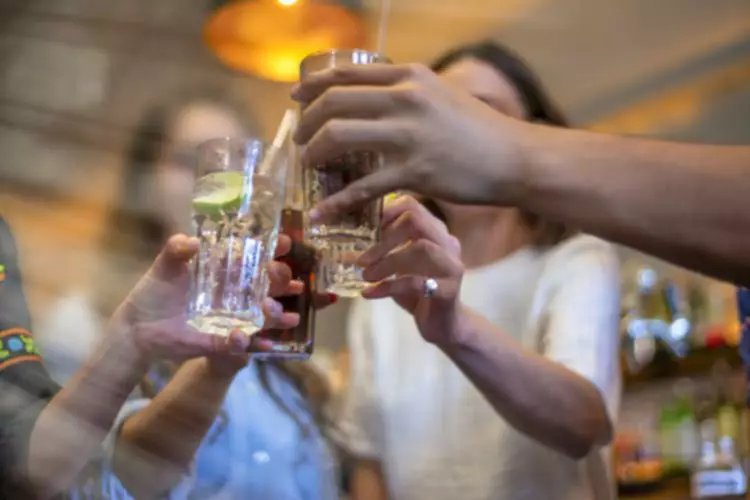
The more serious effects of alcohol abuse, in terms of its physical effects on our bodies, are depression, high blood pressure, ulcers, alcoholic hepatitis, damage to the heart, liver, pancreas and immune system, comas, strokes and certain cancers. Adi Jaffe, Ph.D., is a lecturer at UCLA and the CEO of IGNTD, an online company that produces podcasts and educational programs on mental health and addiction. At nearly every party I attend I’m offered alcohol, the drug most likely to kill an American.
The stigma around illicit drug use can also affect one’s sense of worth, especially when we consider that a predisposition to low self-esteem is contributing factor to alcohol and drug abuse, taking illegal drugs, and being labeled as “less” by society, can easily exacerbate an existing problem. Are there differences between being addicted to alcohol and being addicted to a drug of another kind? Sure – though, at the end of the long day, all addictions have more in common than what distinguishes them from each other. According to the National Institute on Alcohol Abuse and Alcoholism, alcohol causes 88,000 (62,000 men and 26,000 women) deaths every year. The National Institute on Alcohol Abuse and Alcoholism tells us alcohol shortened the lifespan of those 88,000 by 30 years. That makes alcohol the third leading preventable cause of death in the U.S.
Thinking of Stopping Drinking? 9 Tips to Succeed
- Collectively, the forces described above resulted in saturation of the United States with 76 billion opioid pills just between 2006 and 2012; no other country approached this level of opioid prescribing (Hingham, Horwitz, and Rich, 2019).
- These findings suggest that preventing initiation of substance use in childhood and adolescence is important to preventing the development of SUDs later in life (Strashny, 2014).
- In a country that is focusing solely on the current opioid epidemic, these facts are a good reminder that alcohol is deadlier and more socially acceptable than other drugs.
- A causal relationship has been established between harmful drinking and incidence or outcomes of infectious diseases such as tuberculosis and HIV.
- In some areas, providers can’t prescribe these medications without first seeing you for a follow-up visit.
- Sure – though, at the end of the long day, all addictions have more in common than what distinguishes them from each other.
NHTSA is dedicated to eliminating risky behaviors on our nation’s roads
- In a 2006 British study, researchers gave participants doses of sugar or one of two types of sugar alcohols (xylitol and erythritol).
- Treatment for alcohol use disorder can vary, depending on your needs.
- Pill mills first emerged in the most economically depressed regions of Ohio, Kentucky, West Virginia, and Florida in the late 1990s and then spread across the country (Quinones, 2015).
- Overdoses in these places exemplify the “deaths of despair” narrative.
- Public and private insurers paid for prescriptions for many years without developing adequate checks to determine whether the prescriptions were appropriate.
- Gabapentin combined with naltrexone for the treatment of alcohol dependence.

